Best Deal on Smart Meters – Save Energy & Money Today!

-
Contact
-
Email
Best Deal on Smart Meters – Save Energy & Money Today!

10 Mar 2026 IPDS
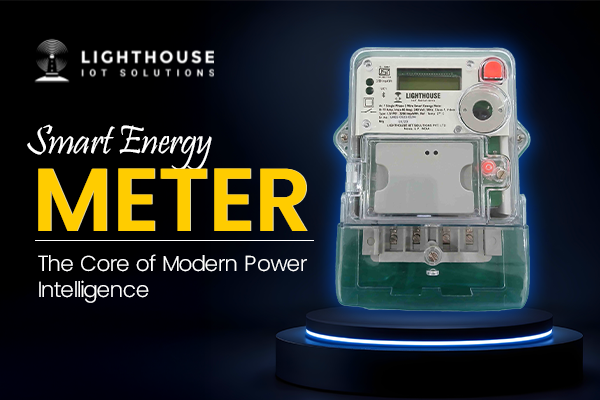
Organizations no longer examine electricity consumption through their monthly printed bill process. The current power usage process requires ongoing monitoring, together with both analysis and optimization efforts. The smart energy meter serves as the essential component of this transformation because it provides exact energy consumption records, which customers can access from any location.
While businesses use the data to make energy management choices for their home facilities, commercial spaces, and industrial operations. Digital technologies require organizations to establish their artificial intelligence systems through accurate measurement tools, which maintain uninterrupted network connections. Real-time data is essential for utilities to effectively control their load distribution operations.
Businesses require detailed information about their operations to achieve cost reductions. Property owners demand systems that provide them with operational visibility and control over their possessions. The intelligent metering system delivers three separate goals through its unified metering solution, which combines all three functions into one system.
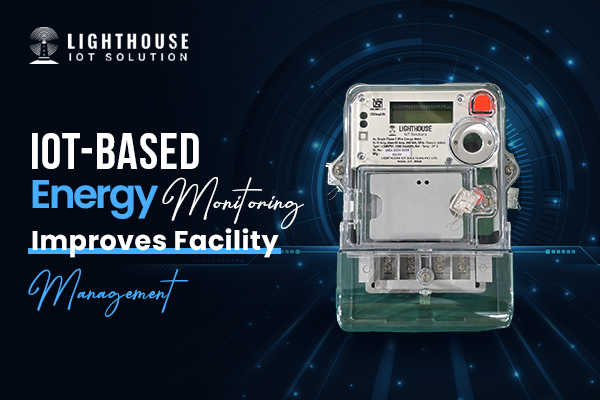
The energy meter functions as a smart meter because it measures energy use through two separate methods. The system measures power consumption at specific time intervals while monitoring voltage and current fluctuations. The system uses secure methods to send collected data to central storage facilities. Electricity measurement now functions as a management tool because the system enables real-time monitoring of energy use.
Modern meters use wireless technology to transmit data, which marks a shift away from traditional mechanical systems. The system eliminates two types of mistakes that occur during manual reading processes. The system reduces administrative work requirements while enabling utilities to complete customer billing procedures at an accelerated pace. Utilities gain improved forecasting abilities for both energy demand and power outage detection. The system enables customers to see their energy usage patterns in a more understandable way.
The shift toward intelligent metering reflects a broader transformation in how power systems operate, moving from reactive reporting to proactive optimization.
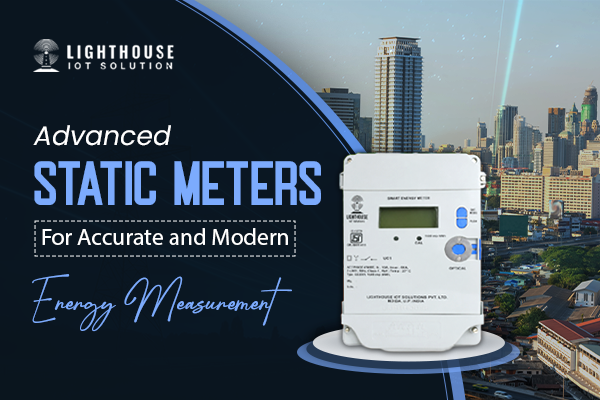
The digital energy meter marked an important step forward from analog devices. Digital meters achieved better accuracy and better durability through the replacement of mechanical counters with electronic measurement circuits. The system provided clear visual information, which decreased operating errors and improved system dependability.
Digital meters increased measurement accuracy but required operators to gather information by hand. The data stayed at the location until someone retrieved it.
Smart metering technology enables residential areas to provide homeowners with complete information about their electricity usage throughout both day and night periods. Users can study their power usage patterns to determine which devices use the most energy instead of making power consumption estimates.
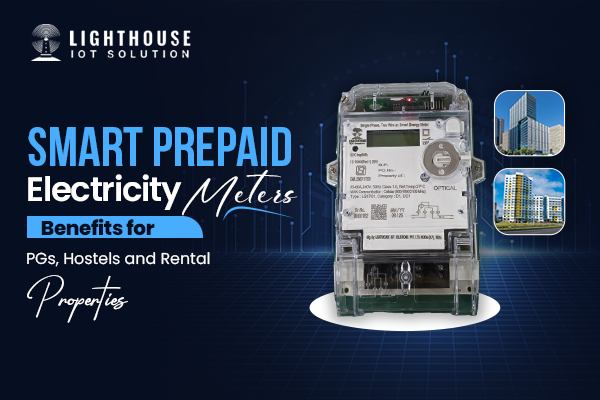
Prepaid solutions work best for residential rental properties and shared living spaces. The keypad meter system enables residents to purchase credits beforehand, and they can check their remaining balance at any time. The system decreases billing disputes because it encourages users to use energy wisely.
Commercial buildings require segmented monitoring for departments, tenants, or operational zones. Accurate tracking ensures cost allocation transparency while helping facility managers identify inefficiencies.
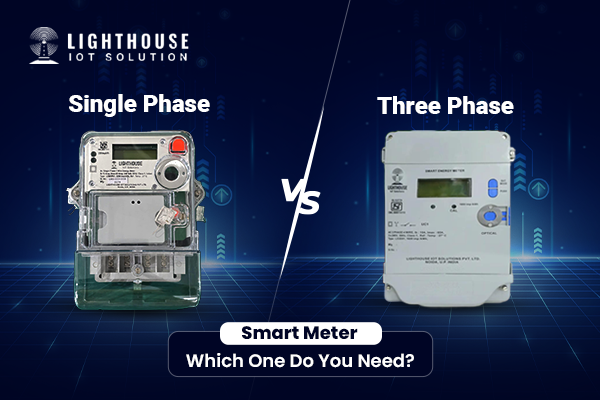
Smaller establishments often benefit from a Two Phase Meter, which supports moderate load requirements with reliable precision. Larger commercial environments with elevators, HVAC systems, or industrial kitchen equipment require a 3 phase energy meter capable of managing heavier power loads and maintaining phase balance.
Proper configuration ensures system stability while preventing equipment strain.
Industrial facilities demand higher accuracy and load monitoring due to the operational sensitivity of heavy machinery. Voltage imbalance or overload conditions can disrupt production and damage equipment.
A 3 phase energy meter in such settings provides phase-wise monitoring and advanced diagnostics. Engineers can analyse load distribution, detect anomalies, and schedule preventive maintenance accordingly. This reduces downtime while extending asset lifespan.
In large-scale industrial deployments, integration with IoT platforms becomes essential. Technology providers such as Light House IOT enable secure communication between meters and centralized monitoring systems, ensuring that data collection remains scalable and reliable across multiple facilities.
A smart energy meter captures interval-based readings that can be analysed to detect patterns. This supports demand response strategies and helps organizations align operations with tariff structures.
A Two Phase Meter is commonly used in environments where load demand does not justify a full three-phase setup but still requires more stability than single-phase systems. Small commercial operations and specialized installations often rely on this configuration for accurate and cost-effective measurement.
For high-load applications, a 3 phase energy meter is essential. Three-phase systems distribute electrical load evenly, reduce conductor size requirements, and improve efficiency for heavy equipment.
Correct meter selection ensures optimal performance while preventing overloading risks. Infrastructure planning must consider present consumption levels as well as potential expansion.
Billing efficiency remains a priority for utilities and property managers. A keypad meter simplifies prepaid energy management by allowing users to purchase credits in advance. This eliminates postpaid disputes and improves revenue collection cycles.
Revenue protection features within a digital energy meter or smart-enabled device include tamper detection and abnormal load alerts. These safeguards reduce energy theft while maintaining system integrity.
Revenue protection features within a digital energy meter or smart-enabled d
Environmental accountability is becoming mandatory across industries. Accurate consumption measurement is fundamental to achieving energy reduction targets and meeting regulatory requirements.
A smart energy meter provides detailed reporting necessary for sustainability assessments. Organizations can benchmark performance, track improvements, and implement corrective strategies where required.
By combining accurate measurement with intelligent analysis, businesses align operational efficiency with environmental responsibility.
The transition from basic energy measurement systems to advanced intelligent monitoring systems has created a major change in energy management. A smart energy meter enables precise tracking, remote accessibility, and actionable insights across residential, commercial, and industrial environments.
Facilities need energy measurement systems that provide operational precision together with system connectivity through their use of digital energy meters, Two Phase Meters, and 3 phase energy meters, and keypad meter prepaid solutions.
With advanced IoT-enabled metering solutions, Light House IoT supports this transformation by delivering secure, scalable, and data-driven smart energy meter systems tailored for modern power infrastructure.