Best Deal on Smart Meters – Save Energy & Money Today!

-
Contact
-
Email
Best Deal on Smart Meters – Save Energy & Money Today!
04 Nov 2026 IPDS
Ask a meter reader in India about the hardest part of the job, and the answer is rarely the heat. It is the locked gate. The meter hidden behind stored furniture. The house where nobody is home for the third visit running.
Multiply that by millions of connections, and you can see why electricity distribution has always struggled with one basic thing: getting an accurate reading. Advanced metering infrastructure, usually shortened to AMI, is changing that.
For decades, billing depended on someone walking up to a meter and noting down a number. Mistakes crept in. Some readings were estimated. Bills arrived late or arrived wrong, and customers lost faith in the whole process.
For DISCOMs, the cost ran deeper. Without timely data, they could not tell where energy was leaking out of the network. Losses often went unnoticed until the accounts were closed, when tracing their source had become much harder.
Advanced metering infrastructure is a complete system, not a single device. Smart meters at the consumer’s premises record usage. A communication network carries that data back. A central software platform, often called a meter data management system, turns the readings into something a utility can act on.
The real shift is the two-way flow. Meters send readings automatically, and the utility can send instructions back, such as a remote disconnection or a tariff update. Nobody needs to knock on a door.
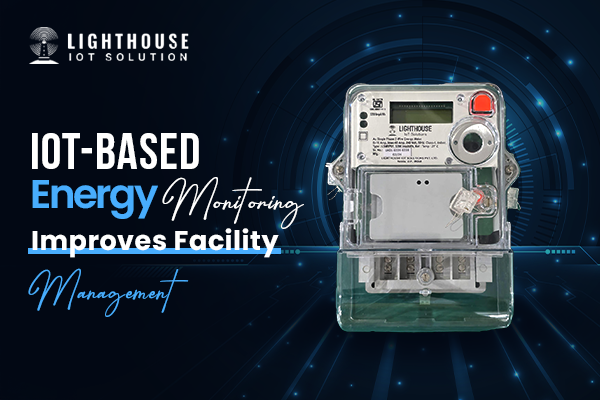
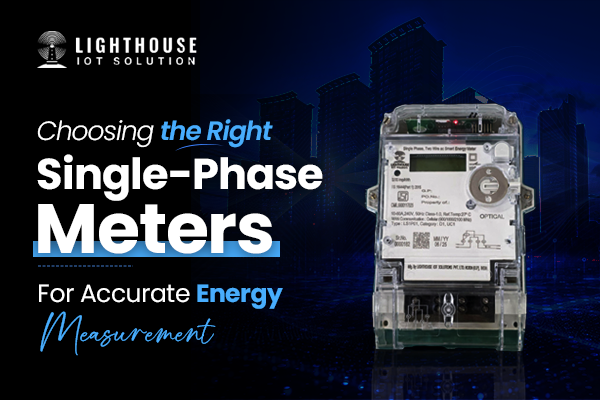
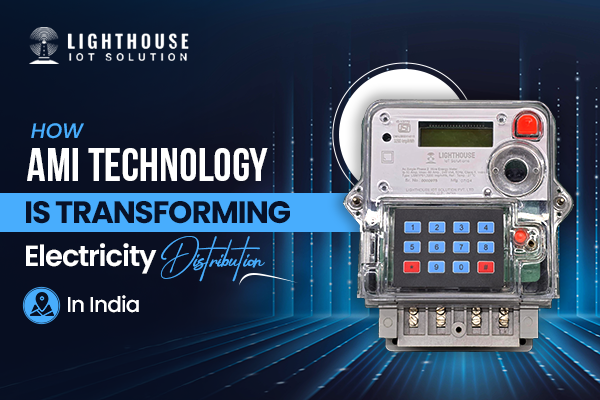
The smart energy meter is the part people actually see on the wall. It measures consumption with high precision and records it at short intervals, so usage can be tracked hour by hour instead of month by month. Connectivity such as GPRS or Bluetooth lets it report without human help.
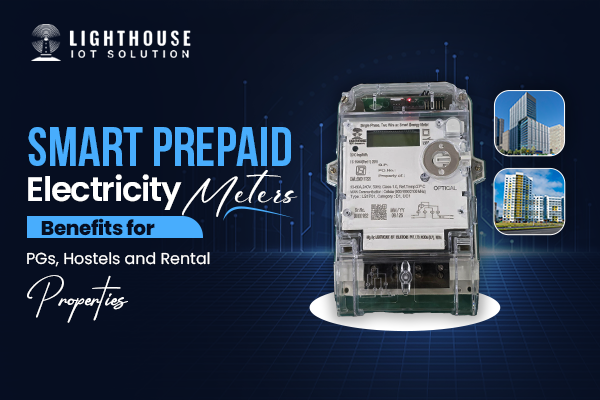
Prepaid versions add another layer. A household tops up much like a mobile recharge and watches the balance fall. Seeing that happen in real time tends to make people more aware of what they switch on.
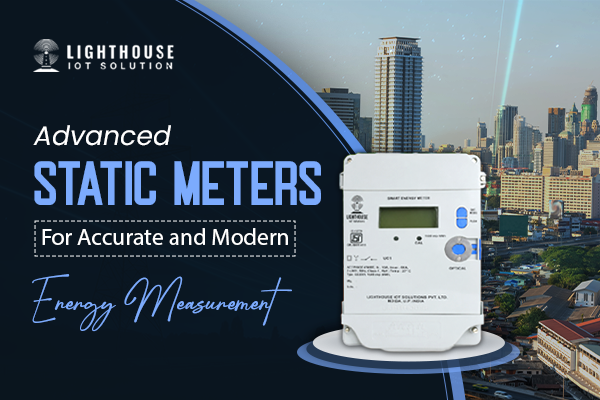
The two terms get mixed up, so a quick clarification helps. A digital energy meter replaces the old spinning disc with an electronic display and better accuracy. It is a solid upgrade, but on its own it still needs someone to read it.
A smart meter is a digital energy meter with a communication link. That link is what makes AMI possible. So for a utility planning a rollout, the real question is not digital or smart. It is whether the digital meters can communicate or not.
Here is the honest answer. A meter does not cut your bill by itself. An energy-saving meter shows you where the units are going, and that knowledge drives the savings.
A factory manager who notices an unusual spike in evening energy use can trace it to a machine that was left running. Similarly, a utility that detects higher-than-expected losses along a feeder can send a team directly to investigate. Better visibility helps identify problems early, making it easier to reduce loss and control costs.
For a DISCOM, the shift shows up in several places. Billing becomes accurate because readings come straight from the meter. Revenue leakage gets easier to spot, since unusual consumption patterns stand out in the data. Outages can be detected faster, often before a customer picks up the phone to complain.
Planning improves too. When you know how demand moves through the day, you can arrange supply with far less guesswork. Over time, that supports better grid performance and an easier path to renewable energy, which depends on understanding demand closely.
None of this is effortless. India is vast, and network coverage varies from city to city and village to village. Utilities have to handle large volumes of data and keep it secure. Consumers need to understand why a new meter is being installed, or resistance follows.
The best rollouts treat communication as seriously as hardware. A clear explanation to the customer matters as much as an accurate meter.
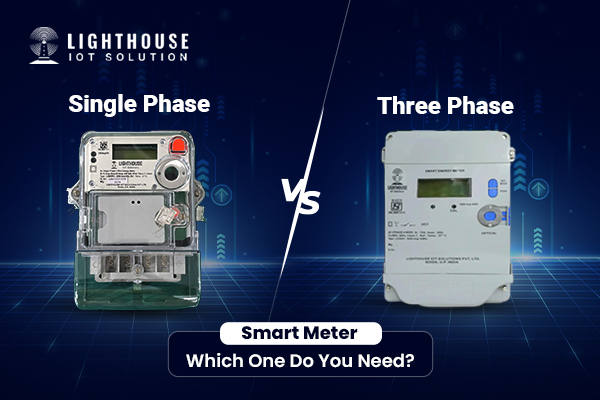
Lighthouse IoT Solutions, based in Noida and established in 2021, builds IoT-enabled meters for exactly this shift. The range includes single-phase and three-phase smart meters, GPRS-enabled models, and prepaid token meters with Bluetooth or keypad options. Its vision is to become one of the top two smart meter OEMs in India, and its focus stays on high-precision metering that helps utilities reduce losses and track consumption.
Looking for reliable smart metering for your network or project? Talk to Lighthouse IoT and find out which meters fit your needs.
A system of smart meters, a communication network, and data software. Together, they let utilities read meters and send instructions remotely.
A digital meter shows usage on an electronic display. A smart meter also sends that data automatically.
Not on its own. It shows your usage patterns, and cutting the waste is up to you.
Usually not much. You can track your usage, and if it is a prepaid meter, you recharge when the balance runs low.
It means accurate billing, faster detection of losses, and better demand planning.